A late arrival can feel easy when the destination is settled before departure. Nightjar Hotel describes an Edinburgh Old Town setting, while its contact block gives an address in Finland. Those details cannot both establish the same location. The site also calls its property information illustrative. Treat the atmosphere as an introduction and seek confirmation before attaching tickets or evening plans to it.
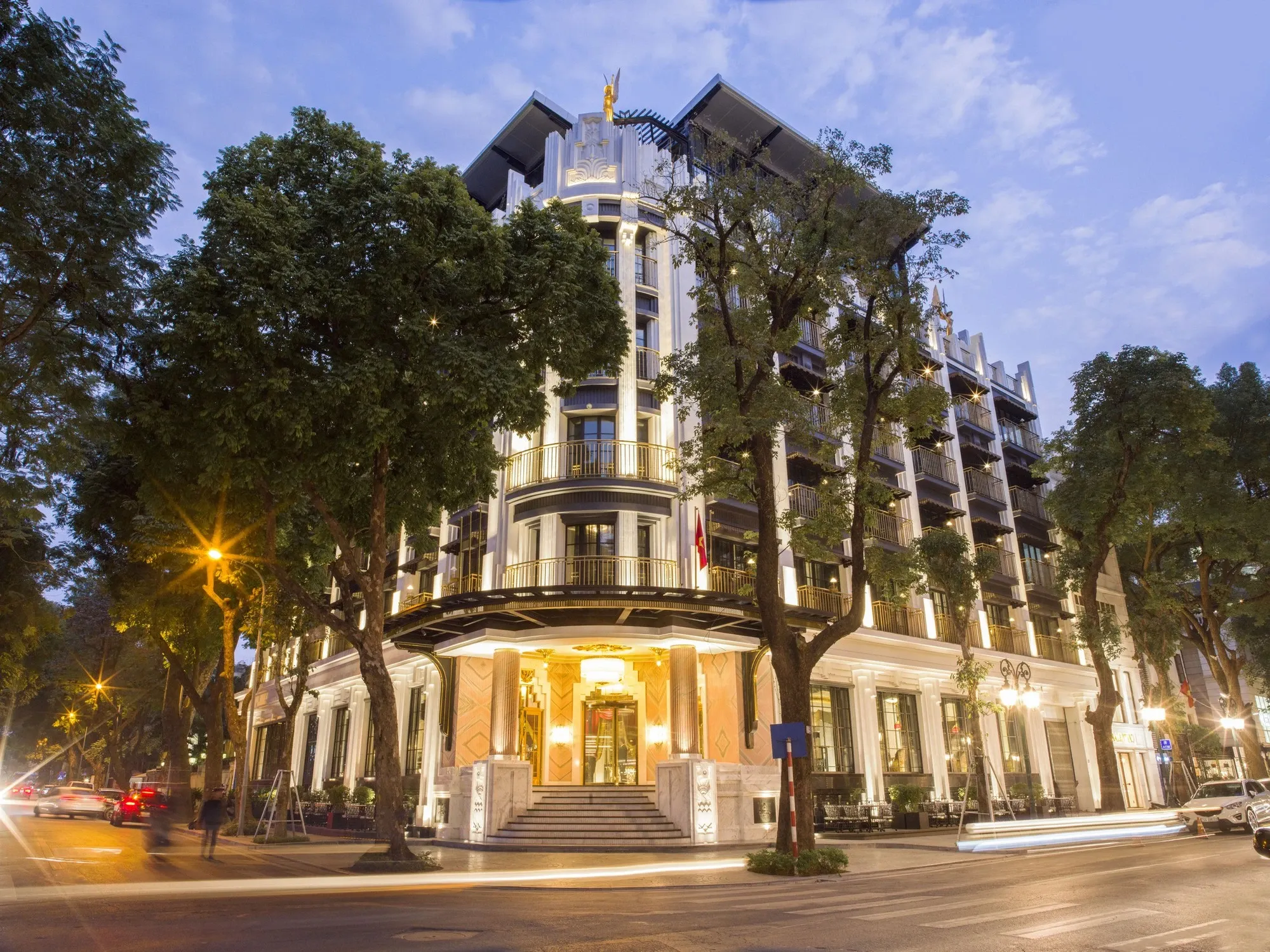
Confirm the destination
Start with the property name, full street address and the entrance used by arriving guests. A map result with a familiar name is not enough if the written details disagree. Ask the contact you are dealing with to confirm the location in one reply. Keep that reply beside any reservation record so you can compare the wording without reopening several pages on a tired evening.
The existing story mentions wandering the Old Town and reaching the Royal Mile. These are useful clues to the intended concept, but they do not resolve the conflicting contact address. Avoid turning a descriptive walking time into a transport promise. A real journey depends on your starting point, luggage and the entrance you actually need. An unanswered location question should stay visible in your planning notes.
| Detail | What it establishes | What to ask |
|---|---|---|
| City in the story | The intended setting | Is this the confirmed destination? |
| Contact address | A written location | Does it match the reservation? |
| Map pin | A suggested arrival point | Which entrance should guests use? |
Build an arrival message
Once the address is clear, send a short message that separates your expected arrival from questions about access. The website’s description of late kitchens and an after-dark rhythm does not establish reception hours. Ask how check-in works at your expected time and what happens if transport is delayed. You need an instruction that can still be followed after the original schedule changes.
Three useful steps
- Give the date and your expected arrival window.
- Ask for the confirmed entrance and check-in arrangement.
- Save the reply and the contact method for a delay.
Keep the message practical rather than filling it with a whole itinerary. Mention anything that changes the final approach, such as heavy luggage or a need to avoid stairs. Ask about luggage storage separately if you expect to arrive before a room is ready. These questions help distinguish access to the building from access to the room, two moments that travel plans often blur together.
Keep the final steps simple
For a 2026 trip, recheck the route close to departure instead of relying on an old screenshot. This is a planning habit, not a claim about a particular service. Note the last part of the journey in ordinary words: where you leave transport, where you walk and where you enter. If the route remains uncertain, leave the first evening flexible rather than making a tight dining commitment.
- Keep the confirmed address available without a network connection.
- Save the name and contact details used for the reservation.
- Allow time to find the entrance with your luggage.
- Separate a hoped-for meal from a confirmed booking.
The hotel’s availability form is part of the original site, but its own note explains that a booking URL needs to be connected. A button click alone should not be treated as a reservation confirmation. Look for a clear record of the dates, room and terms supplied by the actual booking process. The same distinction matters when researching a casino-resort: a welcoming presentation and confirmed arrangements answer different questions.
Once arrival is settled, turn to the room details that support rest. If the first night includes dinner or entertainment, leave space between evening plans rather than spending the travel buffer twice.
Author’s opinion
I would resolve the address discrepancy before comparing rooms or imagining the first supper. A late arrival becomes calmer through a few confirmed facts, not a longer list of attractions. For me, an entrance instruction and a useful reply matter more than a beautifully described neighbourhood when the train is late and the bag is heavy.
Author: Sophronia Hazel Ainsworth. Publisher: Nightjar Destination Correspondence.